About
The Big Swim Backstory
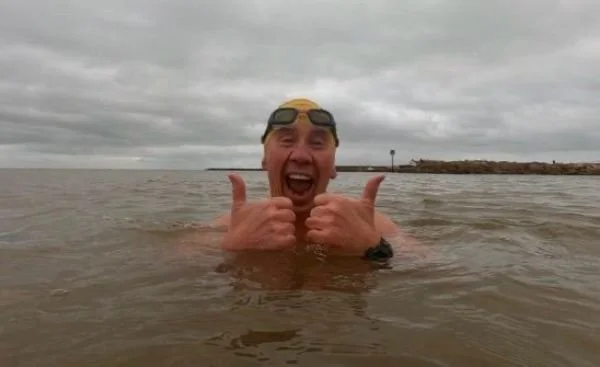
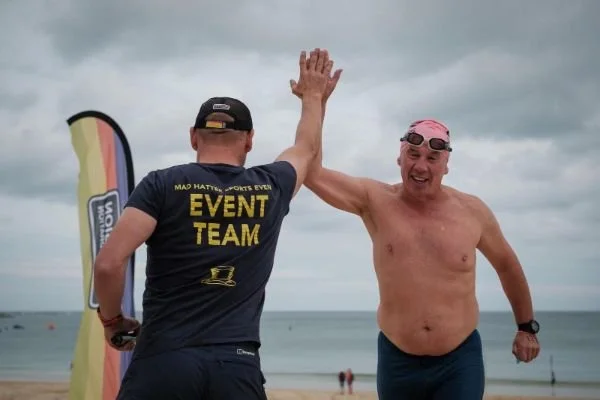
Most young people who take part in The Big Swim events have not trained with swimming clubs and could be described as ordinary swimmers. But after two years of commitment and training, they become extraordinary – most having swum to France, having completed a Channel Relay swim.
While the challenge is open to all, most participants are female; they often turn out to be the toughest swimmers. At just 12 and 13 years of age, they’ve all swum in an English Channel relay.
These swimmers have experienced how sewage pollution interrupts their vigorous training schedules and can also make them ill. So they’re adding their voices to those speaking up about the dangers of sewage pollution.
Coach & Organiser
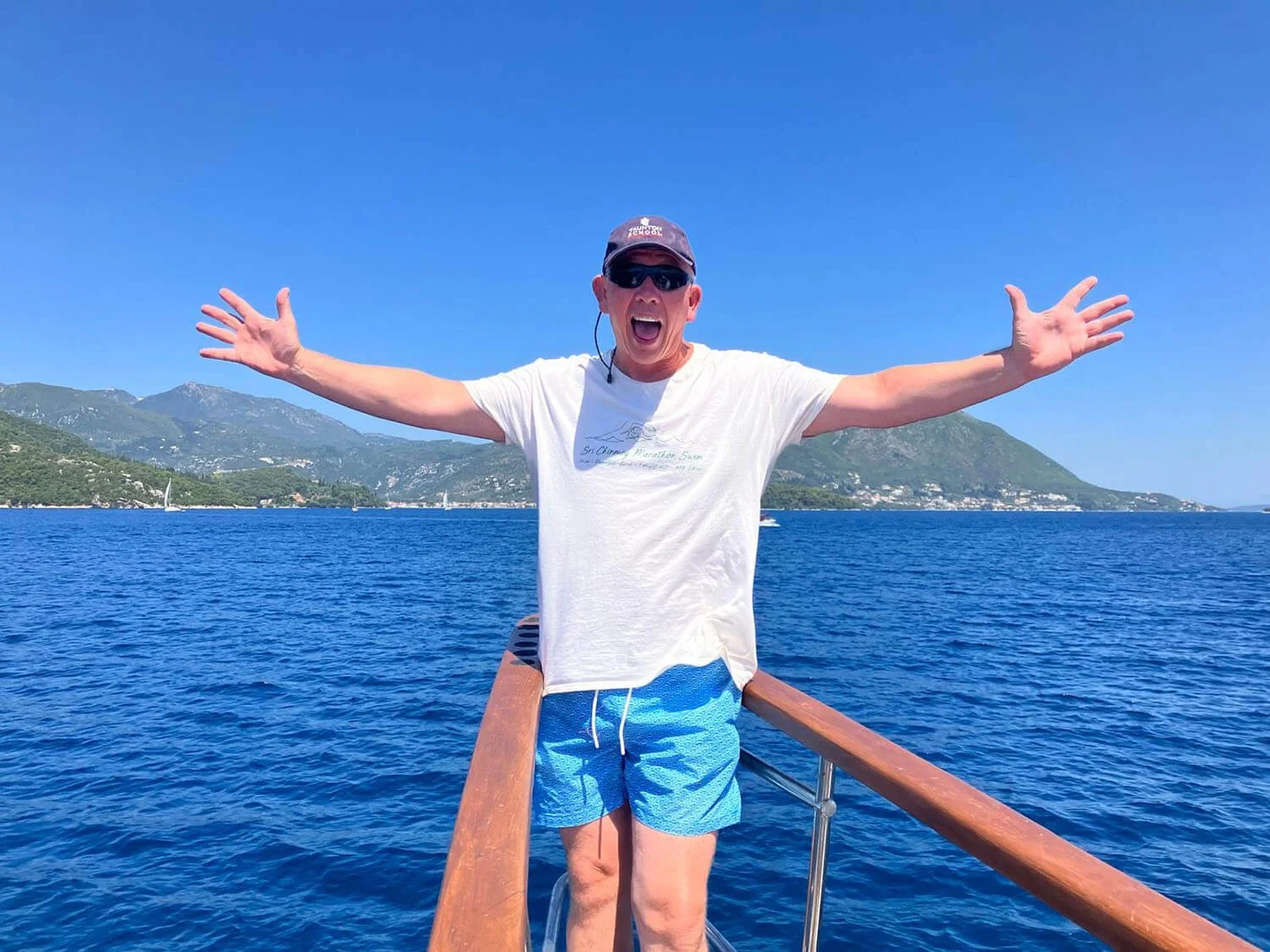
Hamish McCarthy
Hamish McCarthy completed his first long-distance sea swim at just five years old, a one-mile open water race in Cyprus with his father. He went on to compete in swimming to GB National finalist level and played water polo for the Army and Combined Services, but was always drawn more to the sea than the pool, spending five years as a beach lifeguard as a teenager.
Enlisting in 1994 and commissioned as a Lieutenant into the Royal Engineers, Hamish later helped organise inter-services swimming competitions and trained Army and Battle Back teams, made up of injured servicemen and women, to swim the English Channel. Despite his own spinal injury and multiple surgeries, he continued coaching, eventually training 23 Channel relay teams, including a group of local children from Wiveliscombe and the Ten Parishes in Somerset.
In 2019, everything changed.
After swimming through sewage pollution off Lyme Regis and Seaton Beach, Hamish became seriously ill — losing significant weight and experiencing persistent bleeding. A month of tests and an urgent referral to scan for pancreatic cancer followed before he was finally diagnosed with a severe intestinal infection, likely from polluted seawater.
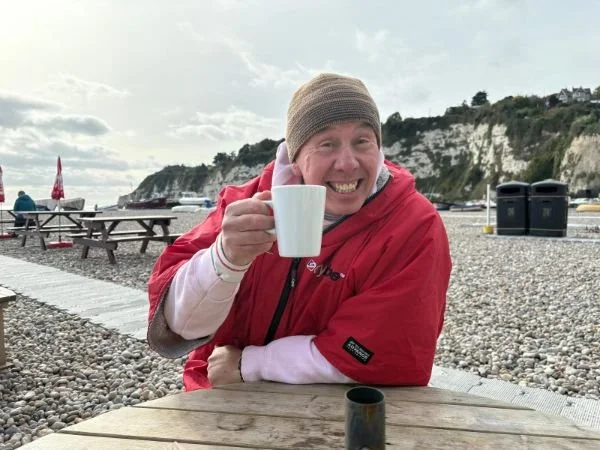
Recovery took several months, and he’s been extremely cautious about entering the water after sewage alerts ever since. Hamish also suffers from recurring eye infections, again believed to be linked to water pollution, and dozens of swimmers he knows have been similarly affected.
In 2025, in Lyme Regis alone, there were 81 sewage spill alerts; 32 in Beer and 35 in Seaton*. For Hamish, that’s simply not good enough. It’s why he and his swimmers have chosen to take action with a series of marathon swims to highlight the scale of sewage pollution — swims intended to raise awareness, provoke conversation, and stand as a quiet but determined protest against the continued degradation of the waters they love.
*According to the SSRS app data. The SSRS app monitors and tracks sewage releases and water-related illnesses.